October’s background-check figures are in, and the NSSF-adjusted count — the industry’s standard proxy for gun sales — jumped 7.9 percent year over year to 1,402,422, the third-highest October on record. (The FBI’s raw total actually fell about 8 percent; the NSSF strips out the permit checks that pad the raw number.) It came after a 2.3 percent dip in September and seven straight months of gains before that.
Industry voices are already pointing at the obvious cause: buyers hedging against a possible policy shift as the midterms approached, with CCRKBA’s Alan Gottlieb predicting a surge not seen since 2020 now that Democrats have actually won control of Congress. We’ve seen this story before. We’ll see it again. And the headline number is, frankly, the least interesting part of it.
We’ve Done This Dance Before
Go back and look at November 2012, when Obama’s re-election, followed weeks later by the Sandy Hook shooting and the gun-control push that came with it, set off what gun writers at the time were calling the “panic buy.” NICS checks for November 2012 through January 2013 ran 53 percent above the same three months a year earlier, and ammunition shelves were stripped for months.
Run the tape forward to 2020: a pandemic, a summer of unrest, and a contested election stacked three buying panics on top of each other, and dealers were still reporting bare shelves and months-long waits by the time of the Capitol riot and the inauguration that followed it. I’ve watched this cycle enough times now to set my watch by it — fear sells a gun faster than any marketing budget ever could.
Election fear is the best salesman this industry never has to pay.
What the Suppressor Numbers Are Really Telling You
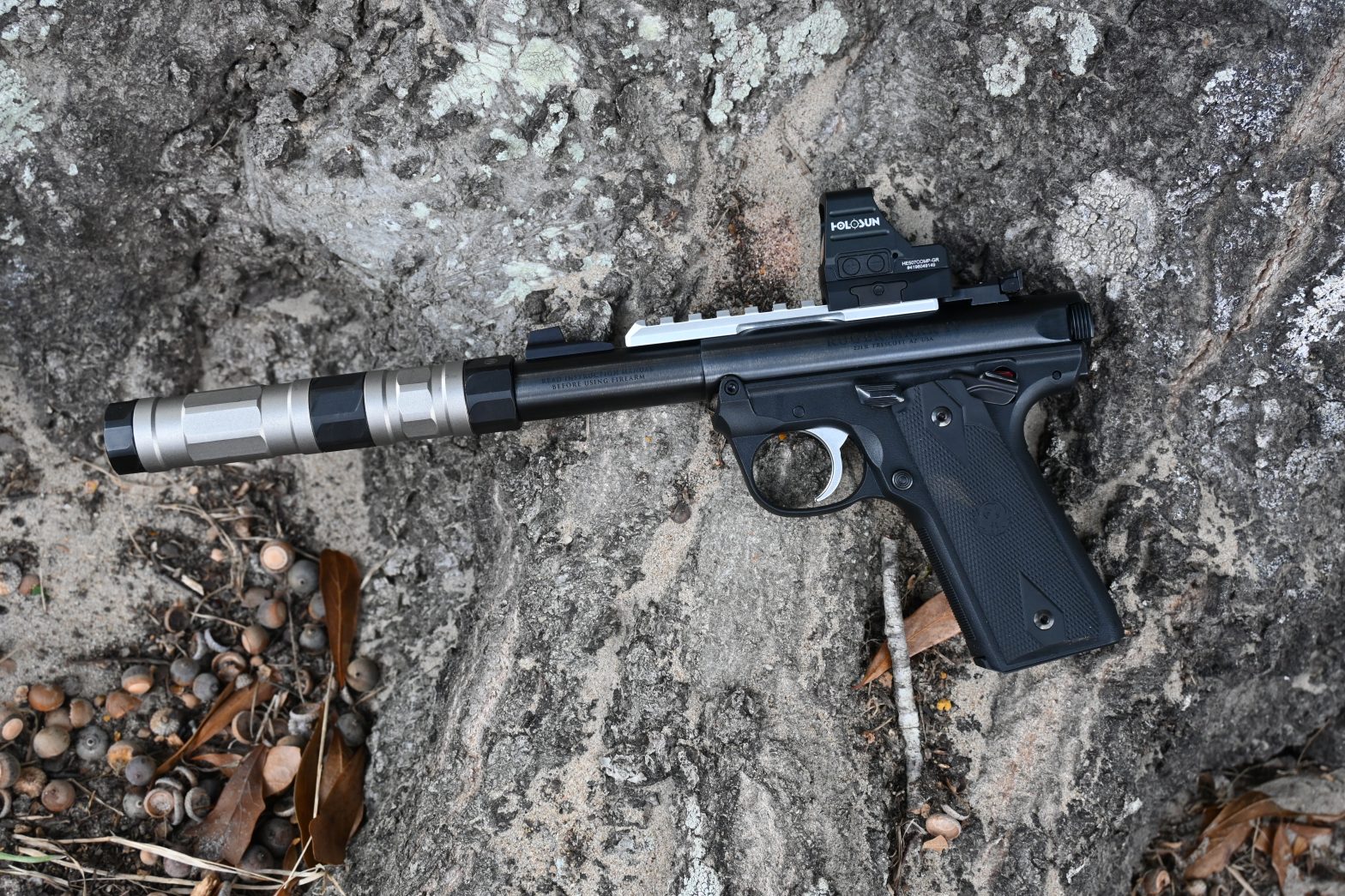
Here’s the part most of the midterm-panic coverage is skipping entirely: some of this year’s growth isn’t about the election at all. It’s suppressors. The $0 tax stamp on suppressors and short-barreled rifles and shotguns took effect January 1, and in August a federal judge in Texas ruled in Jensen v. ATF that NFA registration for those now-untaxed items couldn’t stand.
After the Justice Department declined to appeal, ATF stopped enforcing the registration and approval requirements nationwide in October. NFA-item background checks had already more than doubled year over year by September. That’s a structural deregulation story layered directly on top of an election-fear story, and conflating the two makes the October number look scarier — or more promising, depending on which newsletter lands in your inbox — than it actually is.
Rocks to Throw
The rocks-to-throw part of this is the one nobody wants to say out loud in November: every election-fear surge this industry has ever had has been followed by a hangover. The pandemic-era surge peaked in early 2021, and two years later gunmakers were still reporting declining demand as they worked through the inventory glut. This one comes with a built-in brake, too: President Trump still holds a veto over anything a Democratic Congress sends him, which limits how much new federal gun law buyers can realistically expect before 2029.
October’s numbers are real. So is the eventual correction. Enjoy the surge — just don’t build next year’s business plan on it lasting.
